Drying and dehumidifying
Structural Drying and Dehumidification in Belleair Bluffs, FL
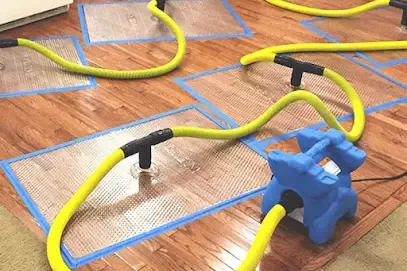
After the water is extracted, air movers and dehumidifiers pull the remaining moisture out of framing, drywall and subfloors, and daily readings show when each room has finally reached dry.
(888) 621-2041Start the drying plan- Air movers and dehumidifiers
- Daily moisture readings
- Dry goal documented
First steps
What to do first for structural drying and dehumidification in Belleair Bluffs
- 01
Extract first
Standing water is removed before equipment is placed.
- 02
Place equipment
Air movers and dehumidifiers are set for each wet area.
- 03
Take daily readings
Meters track walls and floors on every visit.
- 04
Remove at dry
Equipment leaves once readings reach the dry standard.
The process
How structural drying and dehumidification is handled in Belleair Bluffs, FL
- 1
Set up
Equipment goes in after extraction.
- 2
Monitor
Readings are taken every visit.
- 3
Adjust
Machines are moved to the wettest spots.
- 4
Finish
Equipment comes out once all readings are dry.
Typical cost ranges
What does structural drying and dehumidification cost in Belleair Bluffs, FL?
Structural drying usually costs $1,000 to $6,500, depending on how many rooms are wet and whether concrete or block needs extra time. Dry readings, not a fixed number of days, decide how long the equipment stays and what the final figure is.
One room
$1,000 to $2,000
- Air movers placed
- One dehumidifier
- Daily readings
Several rooms
$2,000 to $4,000
- Equipment in every wet room
- Wall cavities ported
- Readings recorded each visit
Slab or block drying
$4,000 to $6,500+
- Desiccant units added
- Longer monitoring
- Concrete moisture tests
Ranges are typical, not a quote: the water category, square footage, material class and how fast drying started move the number most. Run the water damage cost calculator for a closer planning range.
Belleair Bluffs has a humid subtropical climate, with hot, humid summers, so controlling indoor humidity is part of every drying job. If the air stays damp, wet framing and drywall release moisture slowly instead of drying out.
How the equipment is arranged
- Air movers aim along walls and under cabinet bases
- Dehumidifiers pull moisture from the air in closed rooms
- Moisture meters record wall, floor and framing readings
- Desiccant units are added if readings stall
Equipment is placed only after water extraction has removed the bulk of the water.
Why speed matters for wet framing
Wet drywall and framing can start growing mold within 24 to 48 hours, which is why equipment goes in as soon as the water is out. Ongoing readings, not a calendar, decide how long it stays. The drying team charts moisture each visit and moves or removes equipment as rooms reach their targets.
Slabs, block and shared walls
Concrete slabs and block walls dry slowly, so they are metered separately from drywall and may need desiccant units. In shared buildings, a party wall between units can hold moisture from either side, which is why the next unit is checked. See slab leak drying for floors that are wet from below.
Service area
Structural drying and dehumidification across Belleair Bluffs and nearby communities
Drying visits cover wet rooms across ZIP code 33770, from apartment and condominium units that share walls and ceilings to single-family homes and small commercial suites at the mainland end of the Belleair Causeway.
The same service nearby: structural drying and dehumidification in Dunedin, Indian Rocks Beach, Redington Shores.
Water damage restoration in Belleair Bluffs · every town covered
Related
Related water damage services in Belleair Bluffs
Questions
Structural Drying and Dehumidification questions in Belleair Bluffs, FL
Why do dehumidifiers matter so much here?
Hot, humid air carries a lot of moisture, so air movers alone can leave walls damp. Dehumidifiers lower the humidity so the wet materials can release water into the air instead of holding it.
How does the team know the structure is dry?
Moisture meters compare wet areas with a dry reference reading from the same material. When the readings match, the equipment comes out.
Why are walls drilled or panels removed during drying?
Wet insulation and cavities hold water that room air cannot reach. Small ports or a lower strip of drywall removed lets dry air flow inside and keeps the wall from being replaced entirely.
What happens if drying is stopped early?
Moisture left in framing and drywall can swell materials, loosen finishes and support mold. That is why equipment stays until readings, not appearances, say the structure is dry.
Does insurance pay for drying equipment?
Drying is normally part of a water damage claim when the loss itself is covered. The daily log of readings is the document an adjuster uses to see that the equipment was needed.
24/7 dispatch
Damp framing needs more than airflow
The drying team sets air movers and dehumidifiers, takes readings every visit and removes the equipment only when the structure meets its dry goal.