Pinellas County, FL · St. Joseph Sound
Water Damage Restoration Dunedin, FL
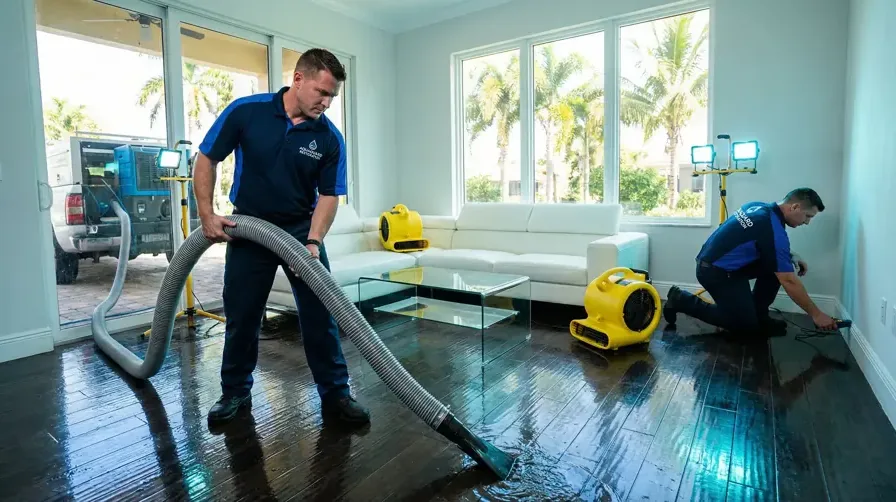
24/7 water damage restoration in Dunedin, FL. The extraction crew pulls standing water off slab floors, the drying team dries the structure to the IICRC S500 standard, and every reading goes into the claim file.
(888) 621-2041Get water off the slab floor tonight- 24/7 storm-season dispatch
- IICRC S500 structural drying
- Truck-mounted extraction units
First hour
What to do while water is still on the floor
- 01
Close the main valve
On most slab homes the shut-off sits where the supply enters, often near a front hose bib or the meter box.
- 02
Cut power to wet rooms
Only from a dry breaker panel. Stay out of standing water near outlets, cords and floor-level AC returns.
- 03
Photograph before moving anything
Every wet room, the source and the waterline on the walls, before anything is moved or thrown out.
- 04
Lift what wicks
Rugs, boxes, cushions and paper off the tile, and furniture legs onto foil squares or wood blocks.
- 05
Then call for extraction
Water on a slab spreads under baseboards and tile, so extraction inside the first day saves the most material.
The 24 to 48 hour window: mold can start growing on wet drywall, carpet pad and baseboards within 24 to 48 hours in humid Gulf air, so the drying plan starts the day the water does.
Water and sewage only
Water Damage Restoration Services in Dunedin, FL
Thirteen water and sewage services, from the first extraction pass to the final dry reading, for slab homes, waterfront lots and Main Street businesses alike.
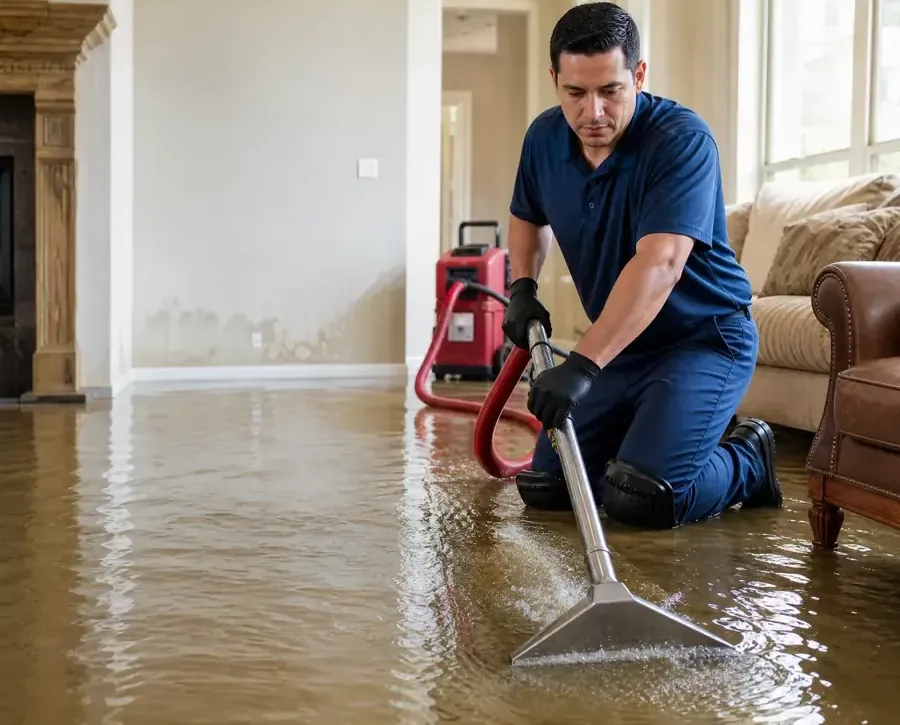 No. 01Category 1 to 3Water Extraction and RemovalTruck-mounted pump-out of standing water from tile, carpet and slab floors before it wicks into walls.View service
 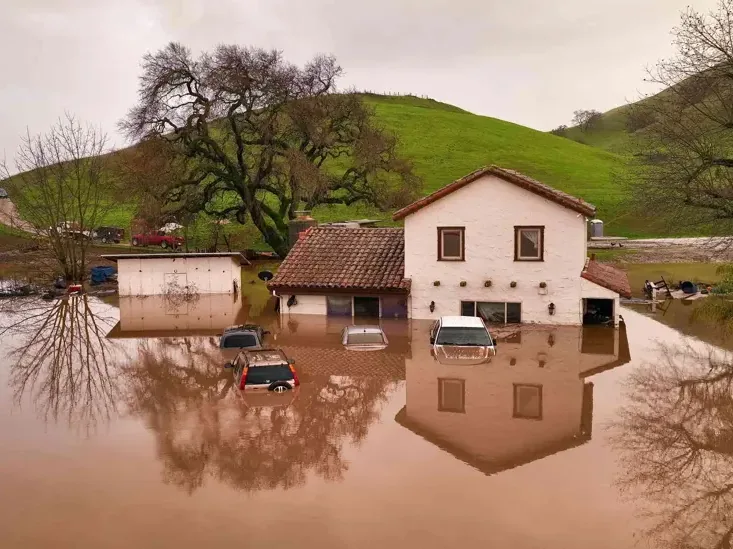 No. 02Category 3Storm Surge and Flood CleanupSaltwater and creek overflow treated as Category 3, wet materials cut out and the slab dried.View service
 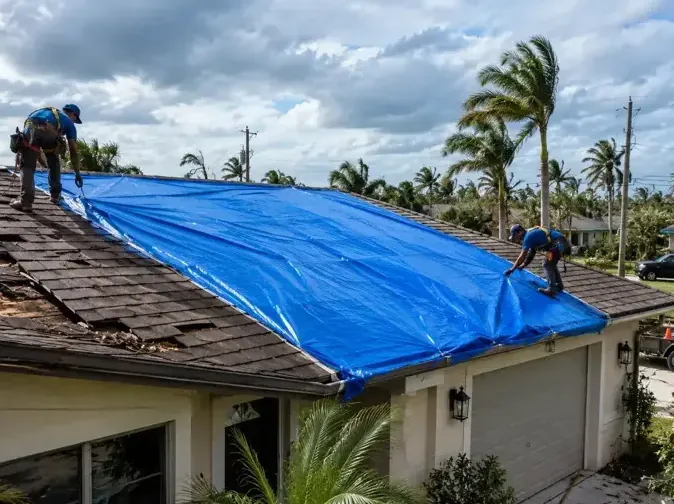 No. 03Category 1 to 3Hurricane and Wind-Driven Rain DamageRain driven in through roofs, sliders and soffits during a named storm, dried room by room.View service
 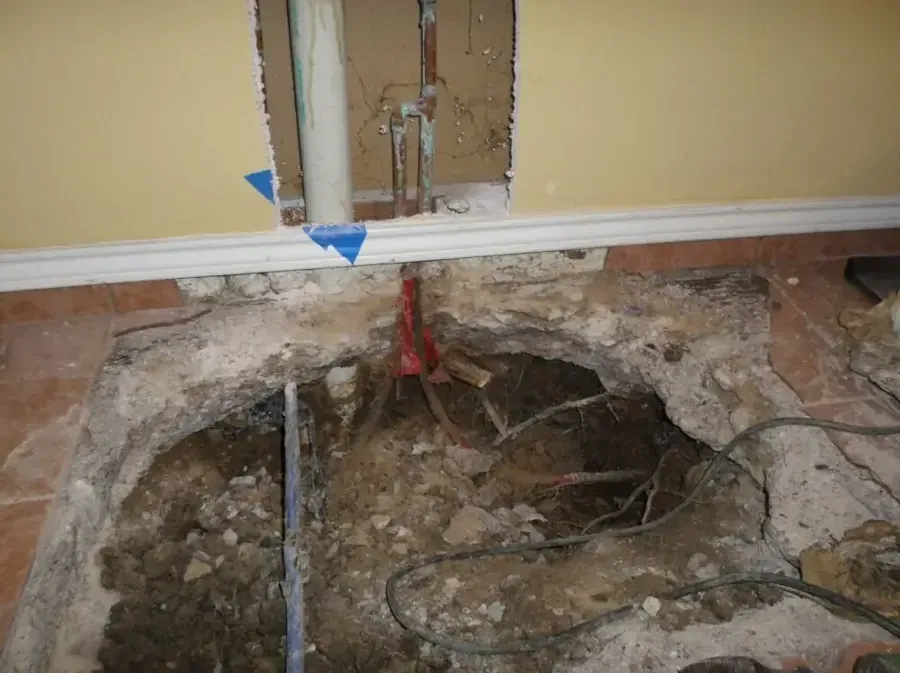 No. 04Category 1Slab Leak Water DamagePressure leaks under the slab located, flooring lifted and the slab and wall bottoms dried.View service
 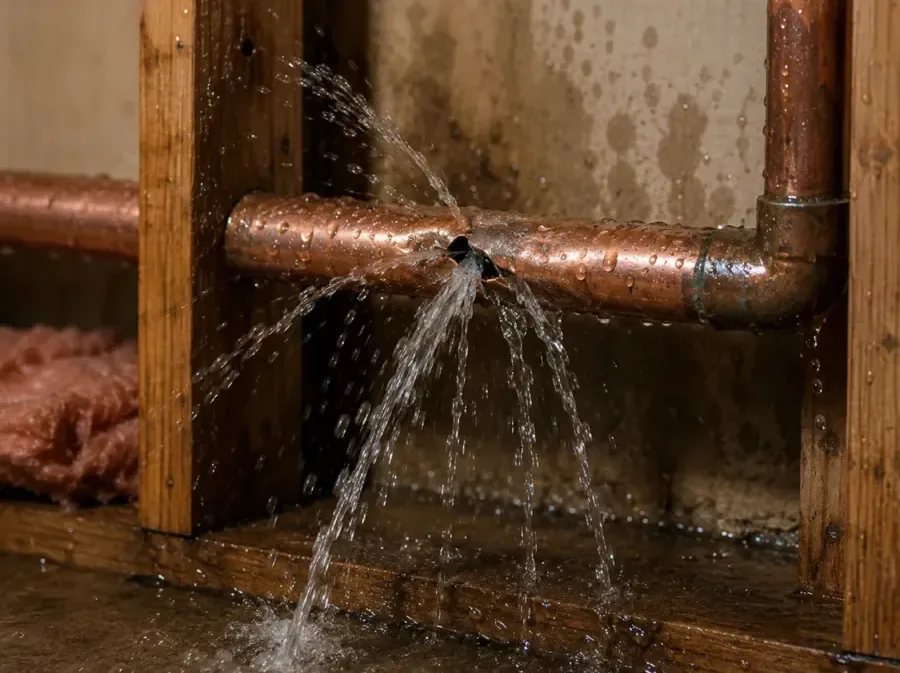 No. 05Category 1Burst and Pinhole Pipe LeaksPinholes and split fittings in aging copper and galvanized lines, extracted and the walls dried.View service
 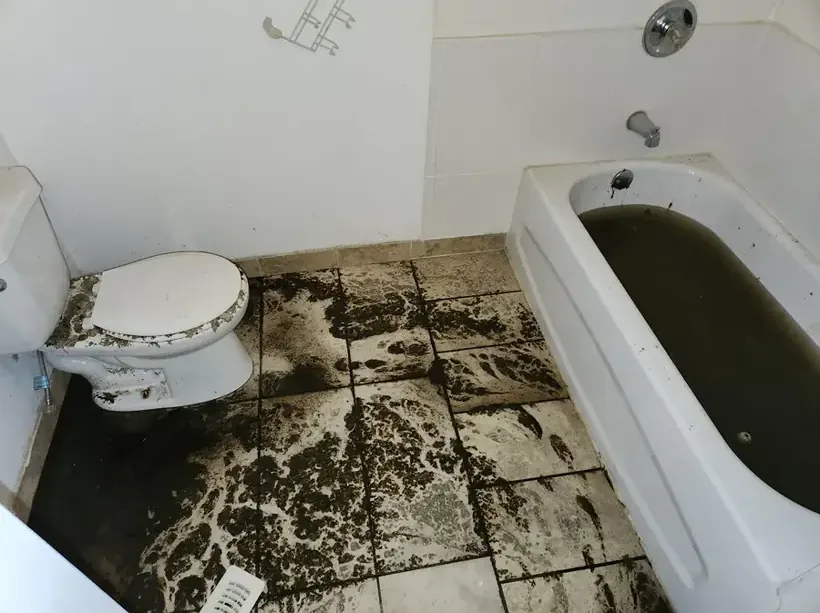 No. 06Category 3Sewage Backup CleanupToilet, tub and cleanout backups contained as Category 3, porous materials removed, surfaces treated.View service
 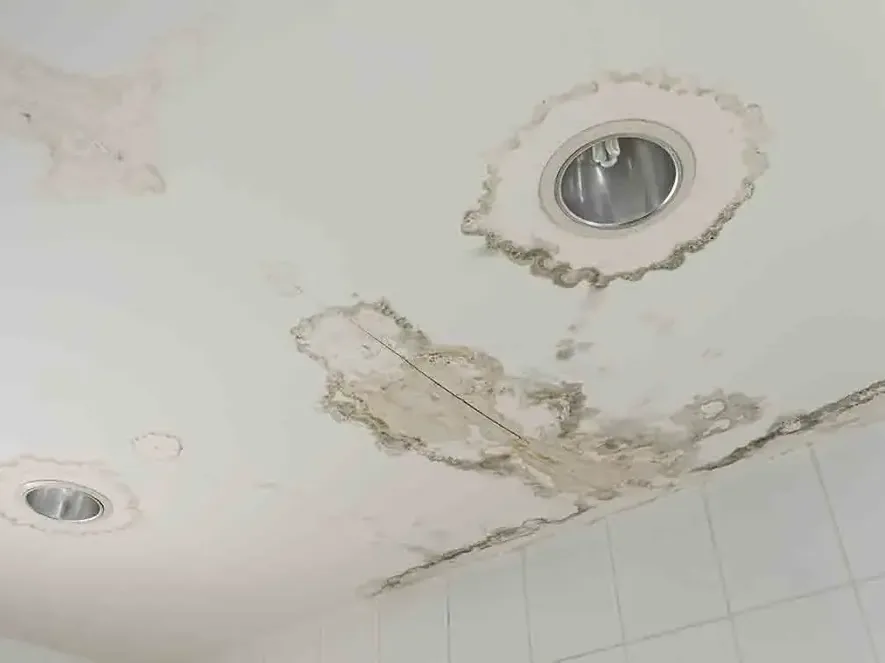 No. 07Category 1 to 2Roof Leak Water DamageWorn shingles, tile underlayment and flat-roof seams traced, wet insulation pulled and ceilings dried.View service
 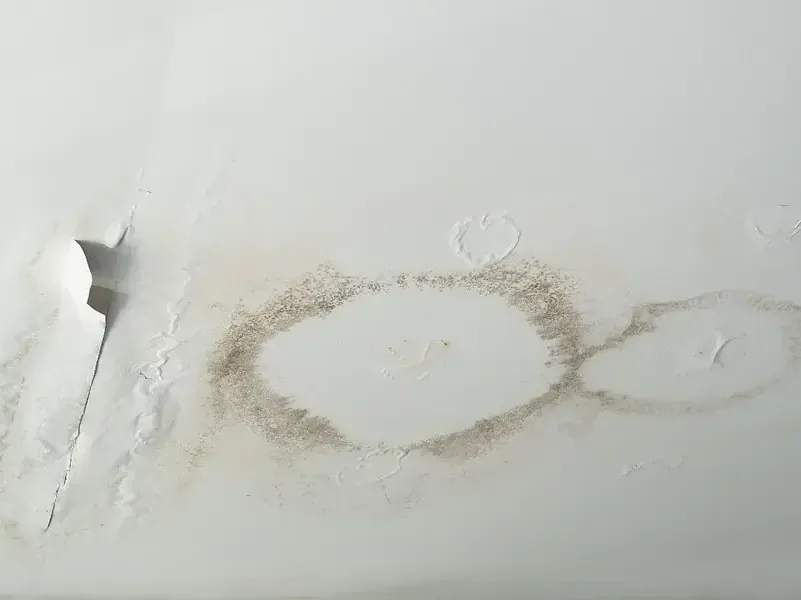 No. 08Category 1 to 2Ceiling Leak Water DamageLeaks from a bath, attic line or unit above traced and the ceiling and joist bays dried.View service
 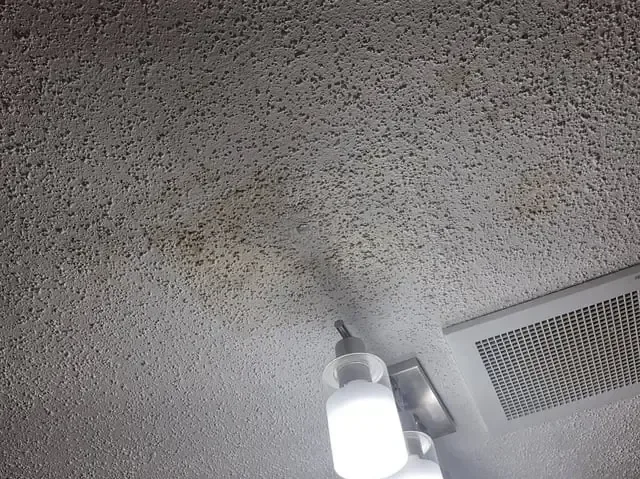 No. 09Category 1 to 2AC Drain Line and Condensate LeaksClogged condensate lines and overflowing air handler pans in attics and closets, dried before stains spread.View service
 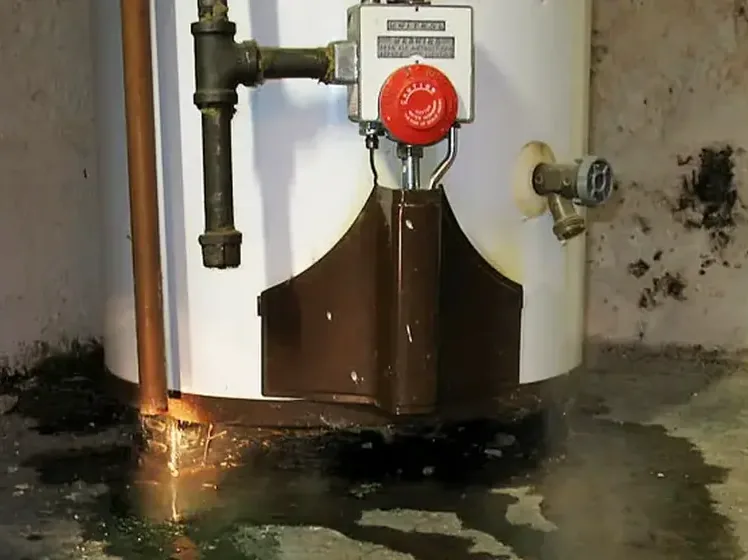 No. 10Category 1Water Heater Leak CleanupGarage and closet tank failures extracted before drywall, cabinets and stored boxes soak through.View service
 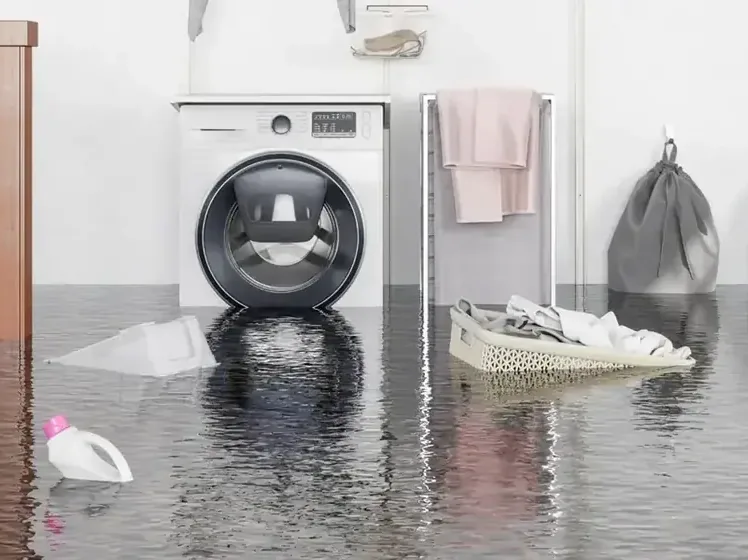 No. 11Category 1 to 2Appliance and Supply Hose LeaksWasher hoses, dishwashers, ice makers and toilet supplies extracted from floors and cabinets.View service
 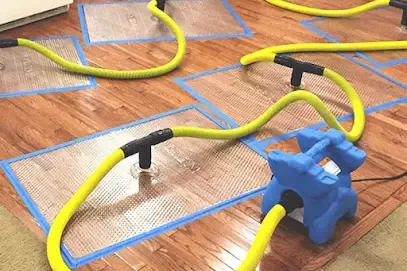 No. 12All classesStructural Drying and DehumidificationFraming, slab, block walls and cabinets dried to a measured goal in humid Gulf air.View service
 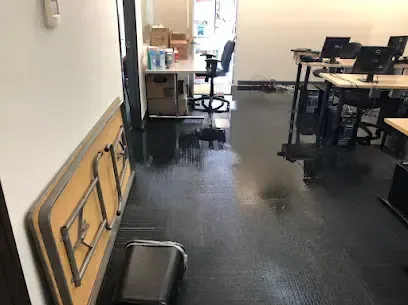 No. 13Category 1 to 3Commercial Water DamageShops, offices, clinics and multi-unit buildings dried in phases so doors stay open.View service
 How the dry-out works
Water damage dried to the IICRC S500 standard
Structural drying, not surface drying. On a slab, water moves sideways under tile and into the bottom of walls, so the order of the work decides whether a dry-out is finished or only looks finished.
- Truck-mounted extraction
- LGR dehumidifiers
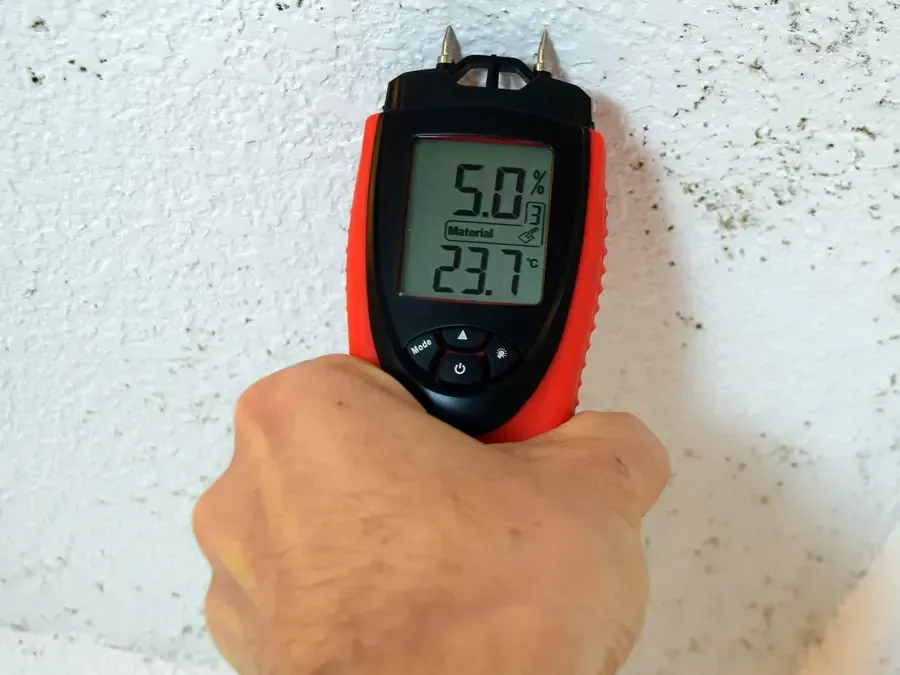
- Pinless moisture meters
- Claim-ready drying logs
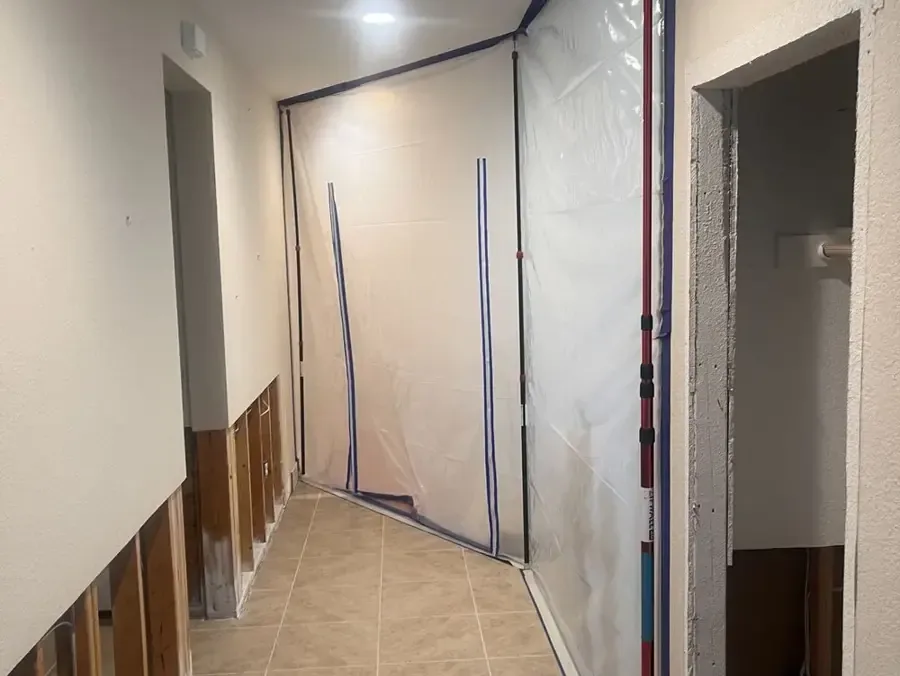
- 1
Moisture mapping
The tech on the walkthrough maps wet materials with pinless meters and thermal imaging before any equipment goes down.
- 2
Extraction
The extraction crew pulls standing water with truck-mounted units, so it leaves the building instead of creeping into the next room.
- 3
Air movers and LGR dehumidifiers
The drying team sizes equipment to each room's evaporation load and keeps the house closed so humid outdoor air stays out.
- 4
Daily readings
Moisture and psychrometric readings are logged every day, and the plan changes when the numbers do.
- 5
Dry verification
Equipment comes out when wet materials read within 2 to 4 points of a dry reference, not when the surface looks dry.
Water categories
Every category of water damage, handled the right way
Category 1, 2 and 3 water are handled differently, and the category decides what can be dried in place and what has to come out.
Category 1, clean water
A slab leak, a burst supply line or a water heater. Caught early, most materials are extracted and dried in place. Slab leak water damage
Category 2, gray water
Washer drains, dishwasher overflows and AC pans. Soaked pad and some porous materials usually come out. AC drain line leaks
Category 3, black water
Sewage and storm surge. The area is contained, porous materials are removed and surfaces get an EPA-registered antimicrobial. Storm surge cleanup
Drying timeline
How long a Dunedin dry-out takes, and the drying goal
A contained loss usually dries in three to five days. A soaked slab, block walls, wood floors and cabinet boxes take longer. Equipment leaves on readings, not on a schedule: the goal is within 2 to 4 points of a dry reference material in the same building.
Typical cost
What does water damage restoration cost in Dunedin, FL?
Water damage restoration here typically runs $1,200 to $12,000 or more. The water category, square footage, material class and how fast drying started move the number most, and a surge or sewage loss with cabinet and drywall removal sits at the top.
One room or hallway
$1,200 to $3,500
- Clean water from a supply line or tank
- Extraction plus three to five drying days
- Baseboards and pad only, if anything
Several rooms or a slab leak
$3,500 to $8,000
- Flooring lifted and lower drywall cut
- Air movers, LGR units and daily readings
- Cabinet toe kicks opened to dry
Surge, sewage or a major loss
$8,000 to $12,000+
- Category 3 containment and removal
- HEPA air scrubbers and antimicrobial
- Whole-house structural drying
Ranges are typical, not a quote. For a closer planning number, try the water damage cost calculator; the final figure comes from the walkthrough and the moisture map.
Insurance
Documentation for the insurance claim
A water claim is decided on the file. Sudden and accidental discharge, such as a burst supply line, a failed water heater or an overflowing AC pan, is usually treated differently from rising water, which falls under flood coverage through the NFIP or a private flood policy.
Coverage depends on the policy, so it is worth checking with the insurer before work goes past mitigation. The restoration team builds the file as the job runs, so it is ready when the adjuster asks.
What the claim file holds
- The moisture map from the first visit
- Daily psychrometric and moisture logs
- Timestamped photos taken before any demolition
- The category and class of the loss
- A line-item scope in the format adjusters expect
Gallery
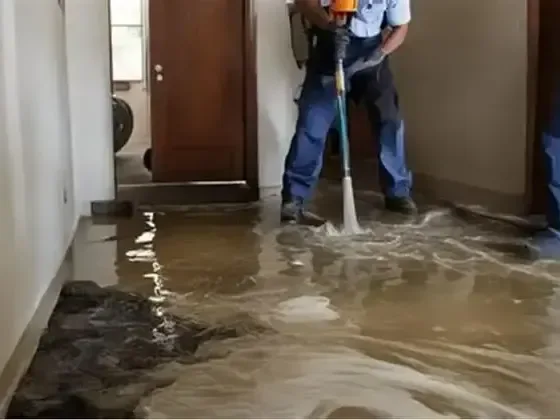
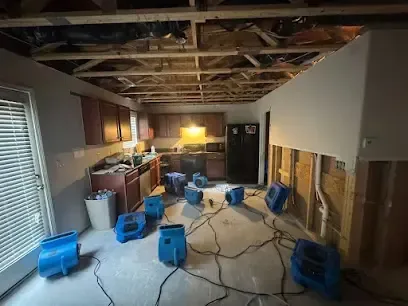
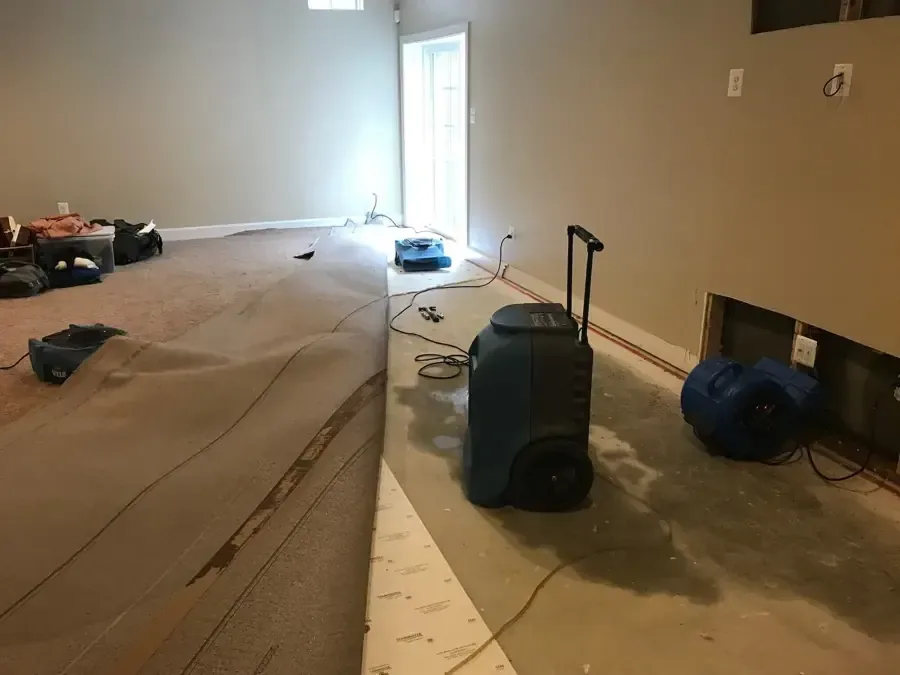
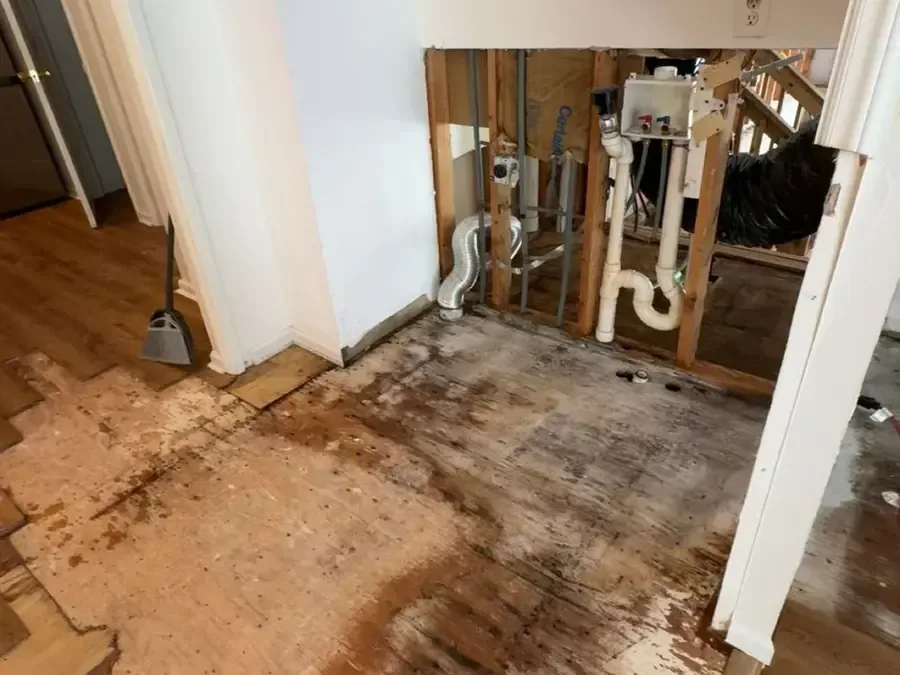
What a water damage dry-out looks like
Local conditions
Water damage in Dunedin, FL: the local risk profile
Nearly two in three local homes were built in 1979 or earlier, most on concrete slabs, and nearly two thirds of the city's area is water, so three failure modes drive most losses here.
August to October
Storm surge and named storms
Surge pushes the Gulf into St. Joseph Sound and over low waterfront lots along Edgewater Drive. Hurricane Helene's surge in September 2024 affected more than 29,000 homes and businesses across Pinellas County, and wind-driven rain gets in through sliders and soffits.
June to September
Downpours on a shallow water table
Florida averages 50 to 55 inches of rain a year, and local soils are mostly poorly drained sand over a water table a few feet down. Low streets, retention ponds and Stevenson's Creek back up, and water runs under doors onto the slab.
Year round
Aging pipes, drains and air handlers
Original copper and galvanized supply lines pinhole and leak under slabs, cast iron drains crack, and attic or closet air handlers overflow when condensate lines clog in the humid months.
Areas served
Covering every Dunedin neighborhood and the nearby towns
Downtown and the marina
Waterfront
Main Street, Edgewater Drive and the blocks on St. Joseph Sound, where surge and wind-driven rain reach first.
Southside and Douglas Avenue
Older homes
The streets around the ballpark and library, much of the south end built in the 1940s and 1950s, with aging drains and supply lines.
North side neighborhoods
Slab homes
Fairway Estates, Spanish Trails, Stirling Heights and Golden Acres, where water heater, supply line and AC drain leaks lead.
East side and the north line
Inland streets
Lake Highlander, Lake Haven, Amberlea, Weathersfield and Curlew Landings, where summer rain over sandy ground leaves yards and slabs wet.
- 34697
- 34698
Nearby communities: Palm Harbor, Clearwater, Clearwater Beach, Largo, Belleair Bluffs, Indian Rocks Beach, Redington Shores, Madeira Beach. Full service area and town pages
Questions
Water damage questions for Dunedin homeowners
How fast can a restoration crew get to the house?
Local restoration pros run 24/7 dispatch, and emergency water calls are treated as urgent, including the nights after a storm. The dispatcher asks where the water is coming from and walks the household through shutting it off while the crew loads up.
What should be done in the first hour?
Close the main valve, turn off power to wet rooms only from a dry panel, stay out of standing water near outlets, photograph everything and move rugs, boxes and cushions off the floor. Do not run a household vacuum on standing water.
Does homeowners insurance cover water damage in Florida?
Sudden and accidental damage, such as a burst pipe, a failed water heater or an AC pan overflow, is often covered. Rising water from surge or heavy rain usually needs a separate flood policy. Coverage depends on the policy, so check with the insurer.
What causes most water damage here?
Storm surge and wind-driven rain in hurricane season, summer downpours over a shallow water table, slab leaks and pinhole leaks in older copper, clogged AC condensate lines, water heater failures and sewage backups.
How long does drying take?
A contained Class 1 or 2 loss usually dries in three to five days. A soaked slab, block walls, wood floors and cabinets hold water longer. Equipment stays until readings match a dry reference, not until the surface looks dry.
What is the IICRC S500 standard?
IICRC S500 is the industry standard for water damage restoration. It sets how losses are classified by category and class, how drying is planned and how dry is verified, so the work can be checked against a written benchmark.
When does drywall have to come out?
When Category 3 water has touched it, when it is sagging or crumbling, or when the cavity behind it cannot be dried in place. Clean-water drywall caught early can often be dried with the cavity vented. Moisture readings decide, not guesswork.
Why is storm surge or sewage handled differently?
Surge water and sewage are Category 3 from the start. The area is contained, porous materials such as carpet, pad, drywall and insulation below the waterline are removed, and surfaces are cleaned and treated with an EPA-registered antimicrobial before drying begins.
Why does a slab home need special drying?
Water on a slab cannot drain away. It moves under tile and laminate, into the bottom of walls and under cabinets. The drying team maps the spread, lifts what traps moisture and dries the slab surface and the wall bottoms together.
How is the cost worked out?
By the water category, how much area got wet, the materials involved and how fast drying started. The walkthrough and moisture map produce a line-item scope, so the number reflects the actual loss rather than a flat rate.
24/7 dispatch
Water in a Dunedin home or business? Get extraction started now.
Extraction, structural drying to the IICRC S500 standard and claim-ready documentation, from the marina out to Curlew Landings.