Water from above and sideways
Hurricane and Wind-Driven Rain Damage in Dunedin, FL
Named-storm wind forces rain through roofs, sliding doors, windows and soffit vents. The restoration team tracks where it went, opens what holds water and dries ceilings, walls and floors, 24/7.
(888) 621-2041Get the storm water out of the ceilings- Thermal imaging after the storm
- Ceiling and attic drying
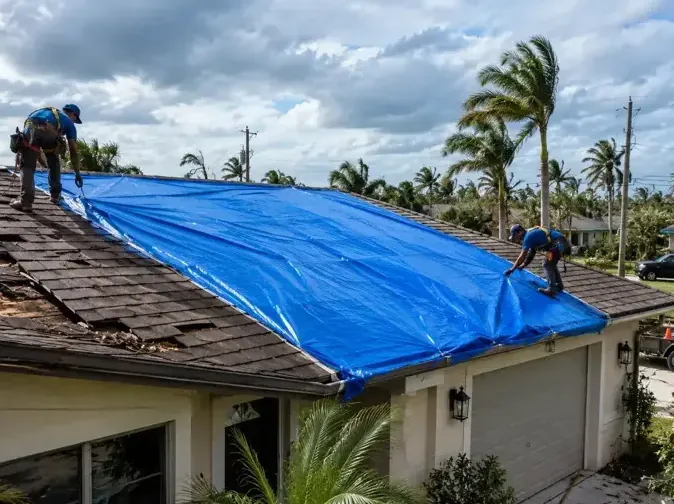
- Tarp-to-dry coordination
First steps
What to do first for hurricane and wind-driven rain damage in Dunedin
- 01
Check for ceiling sag
Stay out from under a bulging ceiling and keep the room clear.
- 02
Cover the opening
Get the roof or window tarped once it is safe to do so.
- 03
Move contents away
Pull furniture and boxes away from wet walls and drips.
- 04
Photograph the damage
Capture the roof, ceilings, walls and floors before cleanup.
The process
How hurricane and wind-driven rain damage is handled in Dunedin, FL
- 1
Storm walkthrough
Thermal imaging maps every wet area.
- 2
Extraction
Standing water pulled from floors.
- 3
Ceiling and insulation removal
Sagging drywall and wet batts out.
- 4
Structural drying
Attic, walls and floors dried to readings.
Typical cost ranges
What does hurricane and wind-driven rain damage cost in Dunedin, FL?
Hurricane and wind-driven rain water damage here typically runs $2,500 to $15,000 or more. How many rooms the rain reached, how much ceiling and insulation comes out and whether floodwater also got in move the number most.
One room under a leak
$2,500 to $5,000
- Wet ceiling and insulation
- Drywall opened and dried
- Three to five drying days
Several rooms
$5,000 to $10,000
- Multiple ceiling bays
- Exterior wall cavities dried
- Carpet and pad removed
Roof breach plus flooding
$10,000 to $15,000+
- Category 3 areas included
- Large tear-out
- Whole-house drying
Ranges are typical, not a quote: the water category, square footage, material class and how fast drying started move the number most. Run the water damage cost calculator for a closer planning range.
Wind-driven rain is different from flooding. It comes in from above and from the side, through a lifted shingle, a cracked tile, a slider track or a soffit vent, and it soaks attic insulation and ceiling drywall long before it shows on the floor.
Where storm water hides
Water from a roof breach spreads across the top of the ceiling and runs down the inside of exterior walls. The crew uses thermal imaging and pinless meters to follow it, because a single stain on the ceiling can mean a whole bay of wet insulation above.
- Attic insulation over the breach
- Ceiling drywall and the top plates of walls
- Wall cavities below windows and sliders
- Carpet and pad along exterior walls
Roof first, then drying
A tarp or temporary patch has to hold before drying makes sense. Once the roof is covered, wet insulation is pulled, sagging drywall comes down safely and air movers and LGR dehumidifiers dry the attic side and the rooms below. If rising water also came in, that part of the house is handled as Category 3. Ready.gov hurricane safety and the NOAA storm surge page cover the storm side.
Service area
Hurricane and wind-driven rain damage across Dunedin and nearby Pinellas County
The restoration team covers ZIP 34697 and 34698, from Downtown and the marina along Edgewater Drive to Southside, Douglas Avenue, Spanish Trails, Fairway Estates, Lake Highlander and Curlew Landings up toward Palm Harbor.
Nearby coverage reaches Palm Harbor, Clearwater, Clearwater Beach, Largo, Belleair Bluffs, Indian Rocks Beach, Redington Shores and Madeira Beach.
Related
Related water damage services in Dunedin
Questions
Hurricane and Wind-Driven Rain Damage questions in Dunedin, FL
Is hurricane rain damage covered differently from flooding?
Often, yes. Rain that enters through storm damage to the roof or windows is usually handled under the homeowners policy, while rising water falls under flood coverage. Coverage depends on the policy, so check with the insurer.
Why remove ceiling insulation instead of drying it?
Wet blown-in or batt insulation compresses, holds water against the drywall and dries very slowly. Removing it lets the ceiling and attic dry and prevents a lingering musty smell.
Can drying start before the roof is fixed?
Only after a tarp or temporary patch is holding. Otherwise the next band of rain soaks the same areas again, so roof cover comes first.
How long does hurricane water damage take to dry?
A few rooms usually dry in four to seven days once the roof is covered. Larger losses and soaked framing take longer, and equipment stays until readings match the dry reference.
What should be documented for the claim?
Photos of the roof damage, every wet ceiling and wall, the moisture map, daily drying logs and a line-item scope. The restoration team builds that file as the job runs.
What does hurricane storm damage drying involve?
Thermal imaging, extraction, removal of wet insulation and sagging drywall, then air movers and LGR dehumidifiers in the attic and the rooms below.
24/7 dispatch
Rain got in during the storm? Dry it before it spreads.
The restoration team traces wind-driven rain through ceilings and walls and dries every bay it reached.