Drying the whole structure
Structural Drying and Dehumidification in Redington Shores, FL
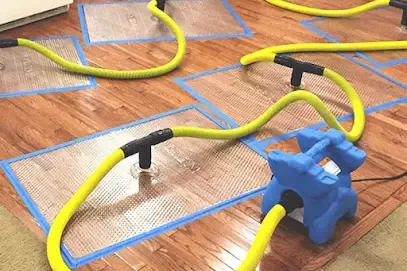
Humid subtropical air and a barrier island setting make drying a slow job. The drying team uses dehumidifiers, air movers and meters until walls, floors and framing read normal.
(888) 621-2041Call about drying equipment- Air movers
- Dehumidifiers
- Meter readings
First steps
What to do first for structural drying and dehumidification in Redington Shores
- 01
Set the equipment
Air movers and dehumidifiers go in to match each room.
- 02
Open the cavities
Wall bases and floors are opened where moisture is trapped.
- 03
Read every visit
Meters track progress and equipment is adjusted.
- 04
Remove at dry
Everything leaves when readings are normal.
The process
How structural drying and dehumidification is handled in Redington Shores, FL
- 1
Place
Equipment is matched to each wet room.
- 2
Open
Wet cavities are safely exposed.
- 3
Monitor
Meters are read at each visit.
- 4
Finish
Equipment leaves only at dry readings.
Typical cost ranges
What does structural drying and dehumidification cost in Redington Shores, FL?
One room usually costs $1,000 to $2,000, several rooms $2,000 to $4,000, and slab or block drying $4,000 to $6,500+. The material involved and the days of equipment set the final number.
One room
$1,000 to $2,000
- Single room dried
- A few equipment days
- Daily readings
Several rooms
$2,000 to $4,000
- Multiple rooms dried
- More equipment days
- Cavities opened
Slab or block drying
$4,000 to $6,500+
- Concrete or block walls
- Extended equipment days
- Long monitoring period
Ranges are typical, not a quote: the water category, square footage, material class and how fast drying started move the number most. Run the water damage cost calculator for a closer planning range.
Extraction removes the water you can see. Structural drying removes the moisture you cannot, the part held inside drywall, framing, subfloor and concrete, and it is what stops a wet room from becoming a bigger problem later.
How the equipment works
- Air movers push dry air across wet surfaces
- Dehumidifiers pull the released moisture out of the air
- Cavities are opened or vented so air reaches the framing
- Meters track progress each visit
Setup is matched to the room, not placed by habit, and equipment is moved as the readings change so no corner dries faster than another.
A slow job on the island
The climate is humid subtropical, with hot, humid summers, so outdoor air offers no help and everything dries slowly. A structure judged substantially damaged also triggers the Substantial Improvement packet and the Base Flood Elevation plus 3 feet rule for residential buildings, so documented readings matter from day one.
Knowing when it is done
Drying ends on the meter, not the calendar. Once every wet material reads normal, the equipment leaves and repairs begin. A written drying record with dated readings is handed over, which the insurer and any permit packet can use. For the first stage, see water extraction, and for flood water from outside, see storm surge cleanup.
Service area
Structural drying and dehumidification across Redington Shores and nearby communities
Structural drying runs wherever water has soaked a building in ZIP 33708, from beachfront homes facing the Gulf of Mexico to properties on Boca Ciega Bay and along Gulf Boulevard.
The same service nearby: structural drying and dehumidification in Dunedin, Madeira Beach, Indian Rocks Beach.
Water damage restoration in Redington Shores · every town covered
Related
Related water damage services in Redington Shores
Questions
Structural Drying and Dehumidification questions in Redington Shores, FL
Why does drying take several days?
Water held inside drywall, framing and concrete leaves slowly, and humid air makes it slower still. Equipment keeps pulling moisture until the readings fall.
Can I run my own fans instead?
Household fans move air, but they do not remove moisture the way a dehumidifier does. Without both, the humidity climbs and the structure stays damp.
What is the Substantial Improvement packet?
It is part of the permit paperwork in town for storm-related repairs, along with a Hurricane Helene application and a worksheet. Buildings judged substantially damaged also have elevation rules to meet.
How do I know drying is finished?
The meter reads the same as a dry reference material, and the crew shows the readings. Only then is the equipment removed and repair work scheduled.
Does the insurer pay for drying equipment?
Equipment days are generally part of a covered water loss. The adjuster decides, and the crew keeps daily logs to support the claim.
24/7 dispatch
Walls still damp? Finish the drying properly
Air movers, dehumidifiers and daily meter readings keep the process measurable, and the mitigation team can lay it out by phone.