Structural drying
Structural Drying and Dehumidification in Indian Rocks Beach, FL
Once the water is out, the structure still holds moisture in framing, drywall and slab. The drying team uses air movers and dehumidifiers and writes down the readings until everything is dry.
(888) 621-2041Call to start the drying- Air movers
- Dehumidifiers
- Logged readings
First steps
What to do first for structural drying and dehumidification in Indian Rocks Beach
- 01
Map the moisture
Meters and a thermal camera show where the water went.
- 02
Place the equipment
Air movers and dehumidifiers are set by room.
- 03
Read each visit
Readings are logged and the setup adjusted.
- 04
Confirm dry
Equipment leaves when the readings match.
The process
How structural drying and dehumidification is handled in Indian Rocks Beach, FL
- 1
Map
Wet areas are found and noted.
- 2
Place
Equipment goes where it works best.
- 3
Track
Readings are logged each visit.
- 4
Finish
Equipment leaves once the target is met.
Typical cost ranges
What does structural drying and dehumidification cost in Indian Rocks Beach, FL?
Drying one room usually costs $1,000 to $2,000, several rooms $2,000 to $4,000, and slab or block drying $4,000 to $6,500 or more. The number of days of equipment drives the total.
One room
$1,000 to $2,000
- Equipment for one room
- Several readings
- Final check
Several rooms
$2,000 to $4,000
- More equipment
- Wall cavities dried
- Daily readings
Slab or block drying
$4,000 to $6,500+
- Hard surfaces dried
- Longer run time
- Full documentation
Ranges are typical, not a quote: the water category, square footage, material class and how fast drying started move the number most. Run the water damage cost calculator for a closer planning range.
Drying is a measurement job. Getting the visible water out is only the start, and the rest of the work is moving moisture out of framing, drywall, subfloor and slab until every material reads dry. The records from that work matter later too.
How the equipment works
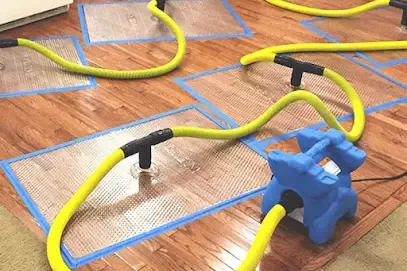
- Air movers push dry air across wet surfaces
- Dehumidifiers pull the moisture out of the air
- Wall cavities are dried through small openings
- Hard floors are dried with special mats
Equipment is placed by the size and wetness of each room, not by a fixed formula, and it is moved as areas dry.
Why the records matter
The city says repair or reconstruction costing 50% or more of a building's market value before work starts must meet standards for a new building. A written record of what was wet, what was removed and what dried helps the owner, the insurer and the permit office see the same facts.
When drying is finished
The team compares readings with dry reference areas and removes equipment only when they match. After water extraction and removal, drying is what keeps hidden moisture from turning into swelling trim and lingering odors.
Service area
Structural drying and dehumidification across Indian Rocks Beach and nearby communities
Structural drying covers homes and businesses across ZIP 33785, including floodplain properties on the island where the permit office and insurer may both ask for the same moisture records.
The same service nearby: structural drying and dehumidification in Dunedin, Belleair Bluffs, Redington Shores.
Water damage restoration in Indian Rocks Beach · every town covered
Related
Related water damage services in Indian Rocks Beach
Questions
Structural Drying and Dehumidification questions in Indian Rocks Beach, FL
How long does structural drying take?
Several days is common for clean water losses, longer for a slab leak or a heavy soaking. The readings, not the calendar, decide when the equipment can leave.
Why do the machines run so loudly?
Air movers and dehumidifiers need to run continuously to pull moisture out of materials. The noise stops as soon as the readings reach target.
Does drying prevent mold?
It removes the moisture that mold needs, which is why drying starts quickly. Materials can start growing mold within 24 to 48 hours when left wet.
Can walls be dried without opening them?
Sometimes. Small openings and special equipment can dry cavities, but sagging or stained drywall usually comes out.
Do the readings help with insurance?
Yes. Daily moisture readings and photos create a record of the loss, which the insurer and the building department can both use.
What gets measured during drying?
Moisture content in drywall, framing and flooring, plus air temperature and humidity, so the team knows whether the equipment is working.
24/7 dispatch
Dry the structure completely
Tell the drying team what flooded and how long it sat, and the equipment plan and records follow.