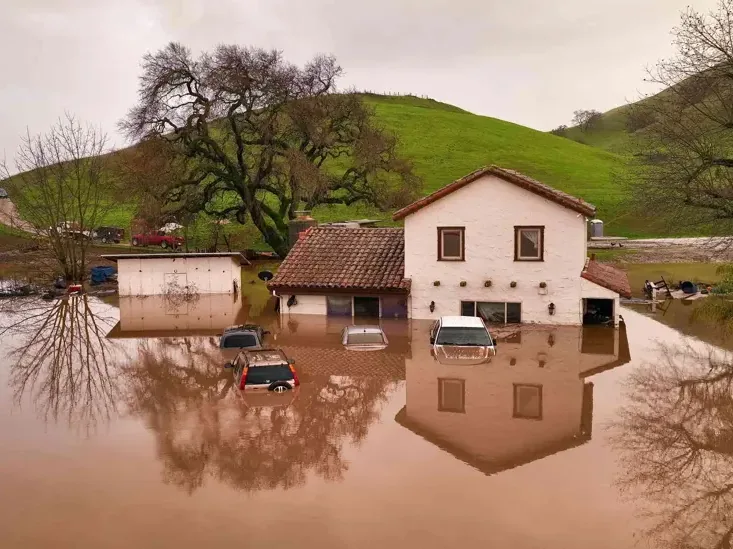
Redington Shores is a barrier island community between the Gulf of Mexico and Boca Ciega Bay, and the town itself says the entire town is susceptible to storm surge. When surge reaches a house here, the first day decides how much of the structure can be dried instead of replaced. This post covers day one for a home in evacuation zone A.
Key takeaways
- The whole town is in the FEMA Special Flood Hazard Area, in either an AE or a VE zone, and Redington Shores is in evacuation zone A.
- Flood zones, evacuation zones and storm surge are different measures with different purposes.
- Saltwater destroyed the plants in the town's Nature Park, which shows how harsh surge water is on anything living or porous.
- The Building Department can give a property's flood zone and Base Flood Elevation.
- Photos, moisture readings and equipment logs support both the insurer and any storm-related permit.
What zone A and AE or VE mean here
The town says the entire town is in the FEMA Special Flood Hazard Area, in either an AE or a VE zone, because it is a barrier island. Hurricane evacuation zones run from A through E plus non-evacuation zones, and the town is in zone A.
Those are different measures. A flood zone describes flood risk on the map, an evacuation zone describes who leaves first, and storm surge is the water itself.
- Flood zones come from FEMA maps.
- Evacuation zones come from county planning.
- Storm surge is the rise of water pushed ashore by a storm.
First steps after surge reaches the house
Surge carries salt, sand and debris. The first day is about safety, records and getting water out.
Local water damage restoration pros begin with safety and records, then move to extraction.
- Stay out of standing water until the power is confirmed off.
- Photograph the waterline and every damaged room before anything moves.
- Lift papers, electronics and keepsakes out of reach.
- Keep children and pets away from wet rooms.
- Bring in a restoration team to extract the water and begin drying.
Why the first day matters after surge
Salt, silt and moisture start working into materials as soon as the water arrives. The longer wet drywall and pad sit, the deeper the damage runs into the structure.
Starting early also keeps the claim record clean, because the waterline and the damage are still easy to document.
What saltwater does to a home
Saltwater inundation destroyed the plants in the town's Nature Park, and the town is replanting it with Florida friendly plants chosen with advice from UF/IFAS. Salt that harms living things also lingers in porous building materials.
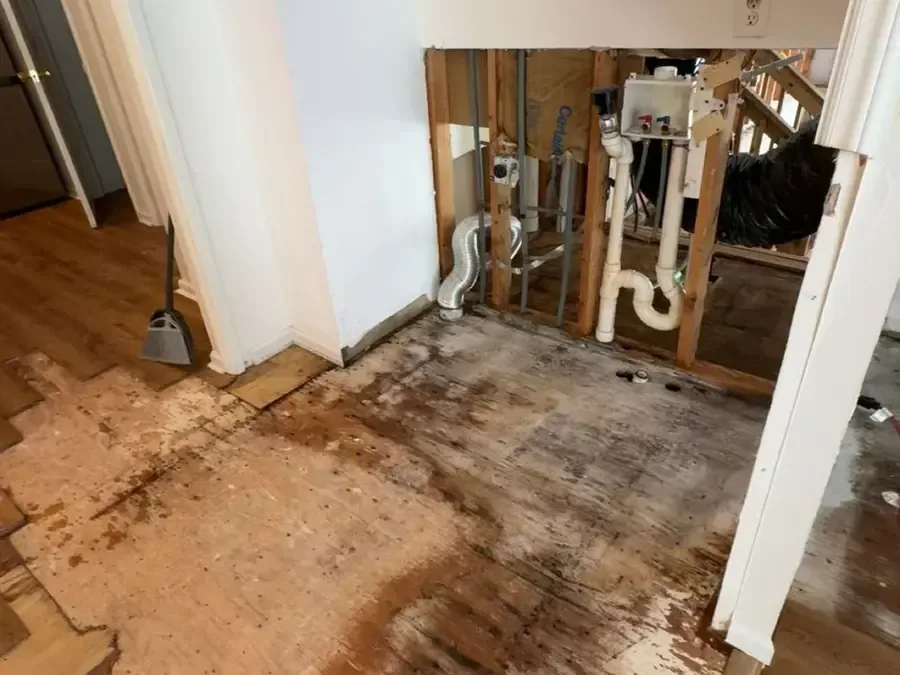
Pad, insulation and the lower part of drywall soak up surge water along with the salt and silt in it. These materials are normally removed instead of dried in place.
- Carpet and pad are removed.
- Baseboards and the lower drywall are cut back above the waterline.
- Wet insulation comes out of the wall cavity.
- Furniture with porous cushions is moved out and assessed.
What the crew removes and dries
A storm surge and flood cleanup crew starts with extraction, since the water goes deeper into the structure the longer it stays. Once the standing water is out, wet materials are removed and the structure is opened up for drying.
Wind and rain often arrive with the surge, so hurricane damage work also checks roofs, windows and ceilings for rain that came in from above.
When the standing water is deep, water extraction equipment is brought in before any removal begins.
Extraction and removal
Pumps and extractors take out standing water, and wet flooring and soft drywall are removed so the cavity can be reached.
Drying the structure
Dehumidifiers and air movers run on the slab and wall framing. Readings are taken each visit until they reach a dry reference.
Power, appliances and electronics after surge
Water that reached outlets, the panel or appliances makes the power unsafe. Anything that touched surge should be treated as damaged until a qualified electrician says otherwise.
- Keep the breaker off in wet rooms.
- Do not plug in appliances that sat in water.
- Move electronics to a dry area and photograph them before disposal.
Finding a property's flood zone and Base Flood Elevation
The town has several Base Flood Elevation heights, and the BFE shown on the maps is only accurate to plus or minus a half foot. The Building Department can give the flood zone and Base Flood Elevation for a specific property.
That information matters for repairs and for insurance. By law, mortgaged homes in high-risk flood zones must carry flood insurance.
- Ask the Building Department for the flood zone and Base Flood Elevation.
- Keep a copy with the insurance papers.
- Tell the crew if repairs may affect elevation rules.
Questions to ask before repairs begin
Surge repairs involve the town as well as the insurer. These questions keep the work in order.
- What are the property's flood zone and Base Flood Elevation?
- Does the planned repair need a permit from the Building Department?
- Which forms does the Building Department need for storm related work?
- What does the flood policy say about the waiting period and coverage?
- What records will the crew provide?
Records worth keeping for the town and the insurer
A complete record helps both the insurance claim and any permit. The crew's logs show what was wet, what was removed and when the structure reached a dry reference.
Keep every permit form and every message from the Building Department with the same file.
- Photos of the waterline, damaged rooms and belongings.
- Moisture readings and equipment logs from each visit.
- Receipts for emergency repairs and temporary housing.
- Notes of every call with the insurer or the town.
Mortgage and insurance records to keep
By law, mortgaged homes in high-risk flood zones must carry flood insurance, so many owners here already hold a flood policy. The town says flood insurance is highly recommended for the entire town.
- The policy number and the insurer's claim contact.
- The declarations page that shows flood coverage.
- The mortgage servicer's contact, in case the lender must approve repairs.
- Photos taken before cleanup.
Questions
Is the whole town in a flood zone?
Yes. The town says the entire town is in the FEMA Special Flood Hazard Area, in either an AE or a VE zone, because it is a barrier island.
What evacuation zone is Redington Shores in?
Zone A. Evacuation zones run from A through E plus non-evacuation zones.
Who can give a property's Base Flood Elevation?
The town's Building Department can give the flood zone and Base Flood Elevation for a property.
Does flood insurance cover storm surge?
A flood policy is the type of coverage that applies. The town says flood insurance is highly recommended, and mortgaged homes in high-risk zones must carry it.
Why is saltwater damage treated differently?
Surge carries salt and silt, so soaked porous materials are removed instead of dried in place.
Does the town require a permit for repairs?
The town building department enforces the Florida Building Code and requires permits for roofing, windows, and work on electrical, plumbing, mechanical and gas systems.