
Water can reach a home in Indian Rocks Beach without a hurricane in the forecast. The city says many areas flood with only a high tide and a west wind, and heavy rain can overwhelm drainage that was never built for it. This post covers what causes that water, the first steps and how the cleanup works.
Key takeaways
- The city says many areas flood with only a high tide and a west wind, so water can enter a home with no named storm.
- Rainwater can also back up into homes from the streets, because most properties were developed before local stormwater requirements.
- Water from a tide or a street is contaminated, so it is treated as Category 3 and porous materials are removed.
- Flood damage is not covered by most standard homeowner or business policies, and a flood policy typically has a 30 day waiting period.
- Extraction comes first, then removal of wet materials and drying of the slab or floor structure.
Two kinds of flooding the city describes
City materials describe two separate flood threats. One is coastal storm surge, and the other is rainfall that overwhelms natural and manmade drainage.
Sitting between the Gulf of Mexico, the Intracoastal Waterway and Clearwater Harbor at a low elevation leaves the city highly vulnerable, in its own words. The ground averages about 5 to 6 feet above sea level, so even a modest rise in water reaches doors and floors.
- Coastal flooding comes from storm surge pushed by wind and tide.
- Rainfall flooding comes when drainage cannot keep up.
- Both can bring water into ground floor rooms and garages.
How a high tide and a west wind is enough
A named storm is not required here. According to the city, a high tide combined with a west wind is enough to flood many areas.
Every part of the city is inside a FEMA Special Flood Hazard Area, in either an A or a V zone. The V zone covers only the coastal stretch beside the Gulf beach, while the A zones take in everything else.
The Gulf floor off the city is shallow and slopes gently, which the city says can push surge higher than the standard hurricane scale suggests.
Rain backing up from the street
Most properties here went up before local stormwater management rules existed. As a result, the city says, heavy rain floods many areas and rainwater can come back into homes from the street.
Public Works inspects the city's drainage outfalls and basins regularly. Even a well kept system can fall behind during a hard rain or an extra high tide.
- Water rising at a floor drain, tub or shower drain.
- Water pooling at a garage door or the lowest entrance.
- A street that stays flooded after the rain has stopped.
- A musty smell in a ground floor room after a tide.
First steps when water gets into the house
Water that comes from a tide or a street is not clean. Treat it with care and document it before anything is moved.
Local water damage restoration pros start with extraction.
- Keep the power off in wet rooms until the system is checked.
- Photograph the waterline, the floors and the lowest cabinets.
- Lift electronics, papers and small valuables out of reach.
- Avoid contact with the water, especially with cuts or open skin.
- Keep children and pets out of the wet rooms.
- Bring in a restoration team to extract the water and start drying.
Why waiting and sealing the room makes tidal water worse
Tidal and street water leaves salt and silt behind. If the room is closed up and left, the moisture works into the lower walls and the subfloor.
Mold can start in damp drywall and wood within 24 to 48 hours, and a musty smell often appears before the stain does.
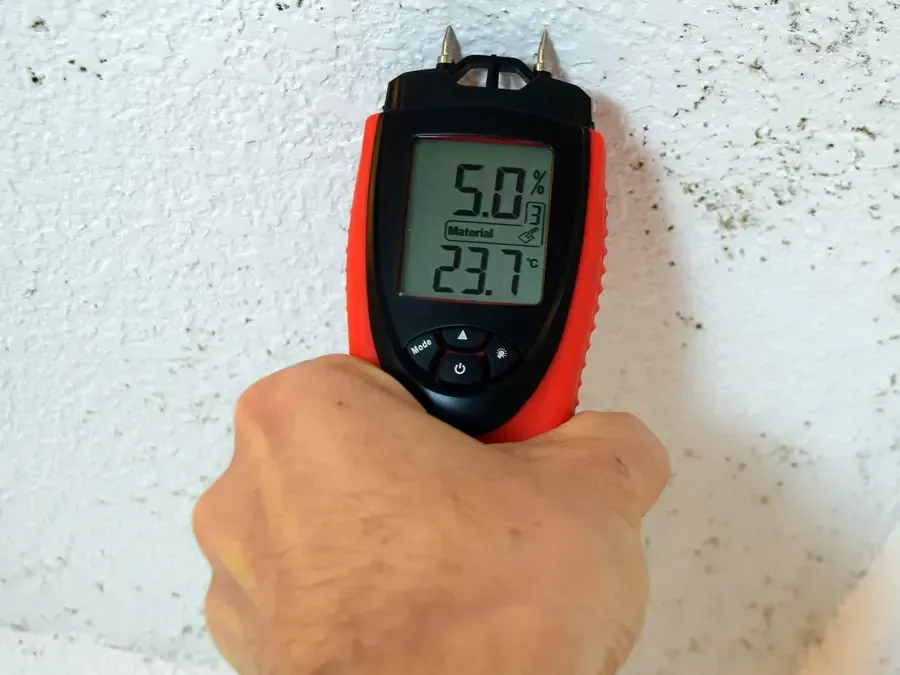
Opening the walls early shortens the dry out, because the cavity can be reached and the readings drop sooner.
What extraction and drying handle
A water extraction crew removes the standing water first, because every layer of floor and wall soaks it up. Porous materials such as pad, insulation and the lower drywall are removed when the water came from the tide or the street.
A storm surge and flood cleanup job then turns to drying: dehumidifiers and air movers run on the slab and wall framing until readings match a dry reference.
Drying runs until readings match a dry reference, and the equipment comes out only then.
What comes out
Carpet, pad, insulation and soft drywall that sat in contaminated water are removed rather than dried in place.
What gets dried
Concrete, tile, framing and cabinets are cleaned and dried, with moisture readings taken at each visit.
Preparing a home for the next high tide
Because tidal flooding can repeat, a little preparation pays off. None of it requires a storm warning.
- Photograph each room and its contents while they are dry, so a later claim has a before picture.
- Know where the main water shutoff and the electrical panel are.
- Keep valuables, papers and electronics off the floor and out of low cabinets.
- Check the flood policy, including the waiting period and what it excludes.
- Keep contacts for the insurer, a plumber and a restoration team in one place.
Flood insurance details that matter early
Flood damage is not covered by most standard homeowner or business insurance policies. A flood policy typically has a 30 day waiting period before coverage takes effect, so timing matters.
The city reports approximately 3,000 flood insurance policies in force, including policies bought by renters. The Indian Rocks Beach Library on Bay Palm Boulevard provides flood protection information.
- Check whether the property carries a separate flood policy.
- Ask about the waiting period before a storm, not after.
- Keep photos and the crew's readings for any claim.
Records that support a claim
A claim for tidal or street flooding rests on what was recorded at the start.
- Photos of the waterline, taken before cleanup.
- Notes on which doors or drains let the water in.
- The crew's moisture readings from each visit.
- Receipts for emergency repairs and drying equipment.
Questions
Can a home flood here without a hurricane?
Yes. The city says many areas flood with only a high tide and a west wind, and heavy rain can also flood areas because most properties pre-date stormwater requirements.
Is water from a high tide clean?
No. Tidal and street water is treated as Category 3, so porous materials that soaked it up are usually removed.
Does homeowners insurance cover tidal flooding?
Flood damage is not covered by most standard homeowner or business policies. A separate flood policy is usually needed.
How is a flooded slab dried?
Water is extracted, wet flooring is removed, and dehumidifiers and air movers run until moisture readings match a dry reference.
What should be photographed first?
The waterline, the floors, the lowest cabinets and any damaged belongings, before they are moved.
What should be in place before the next high tide?
Photos of each room, the location of the water shutoff and the panel, and a check of the flood policy's waiting period all help before the next event.